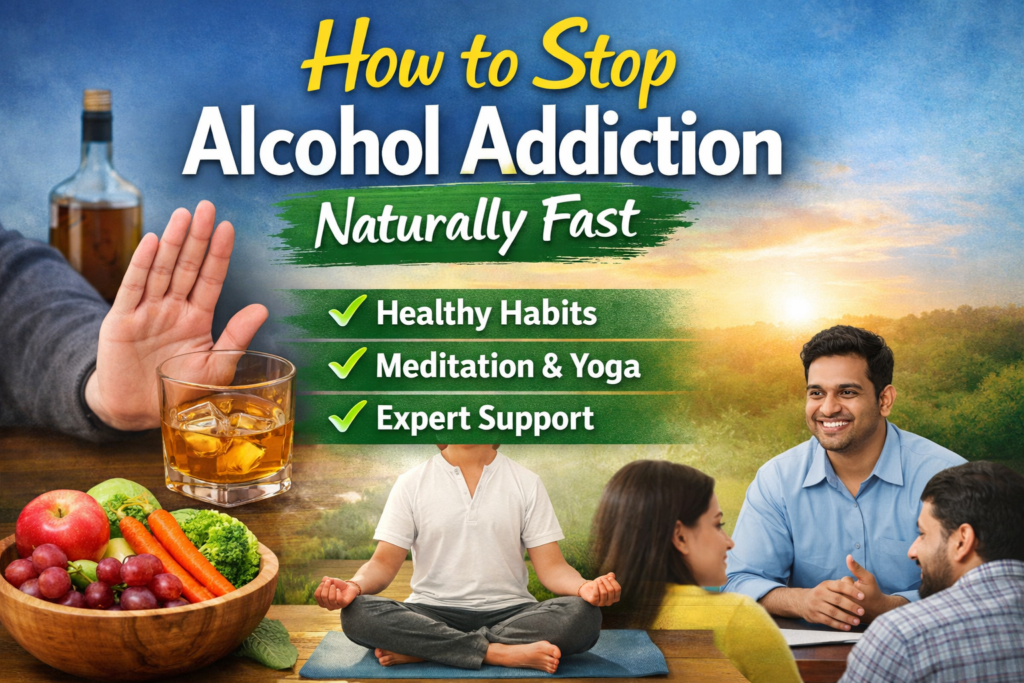
Alcohol addiction can slowly affect every part of life. It damages health, breaks relationships, reduces confidence, and creates emotional stress. Many people want to quit drinking but struggle because cravings and habits become difficult to control over time.
The good news is that recovery is possible. With the right routine, emotional support, and healthy lifestyle changes, many people successfully learn how to stop alcohol addiction naturally. Small daily efforts often create powerful long-term results.
According to global health reports, alcohol misuse causes millions of deaths every year. It also increases the risk of liver disease, depression, anxiety, and heart problems. Early recovery improves both physical and mental health.
For people who need professional guidance, centers like Parivartan Nasha Mukti Kendra provide counselling, detox support, and recovery programs that help patients rebuild their lives in a safe environment.
What Is Alcohol Addiction?
Alcohol addiction is a condition where a person becomes physically or emotionally dependent on alcohol. They feel strong cravings and find it difficult to stop drinking even when alcohol creates problems in daily life.
Some people drink occasionally during social events. That is different from addiction. Addiction develops when alcohol becomes necessary for relaxation, sleep, stress relief, or emotional escape.
Common causes of alcohol addiction include:
- Stress and anxiety
- Depression or loneliness
- Peer pressure
- Family history of addiction
- Emotional trauma
- Unhealthy lifestyle habits
Over time, alcohol changes brain function. This makes controlling cravings harder without proper support and recovery planning.
Signs of Alcohol Addiction
Many people ignore the early warning signs. Identifying symptoms early can help prevent serious health and emotional damage.
Common signs include:
- Drinking alcohol every day
- Feeling irritated without alcohol
- Hiding drinking habits from family
- Losing control over quantity
- Missing work or responsibilities
- Sleep problems and mood swings
- Strong alcohol cravings
- Financial problems due to drinking
A person may also start avoiding social activities or become emotionally distant from loved ones.
Why It Is Important to Stop Alcohol Addiction Early
Alcohol addiction affects the body slowly but seriously. Early recovery reduces health risks and improves the chances of long-term success.
Health problems linked to alcohol addiction:
- Liver damage
- High blood pressure
- Anxiety and depression
- Poor memory and concentration
- Weak immune system
- Digestive disorders
Family relationships also suffer. Children, parents, and spouses often face emotional stress because of addiction-related behaviour.
People who seek treatment early usually recover faster. Their bodies respond better to healthy lifestyle changes and counselling support.
How to Stop Alcohol Addiction Naturally
Many people search online for effective ways to understand how to stop alcohol addiction naturally without feeling isolated or overwhelmed. Natural recovery methods focus on discipline, emotional balance, and healthy routines.
Accept the Problem
Recovery begins with honesty. A person must accept that alcohol is creating problems in life. This step may feel difficult, but it creates the foundation for healing.
Denial often delays treatment. Once acceptance happens, positive changes become easier to start.
Set Clear Recovery Goals
Goals help maintain focus during difficult moments. Instead of thinking about quitting forever, focus on daily progress.
Simple recovery goals may include:
- Reducing drinking gradually
- Staying alcohol-free for one week
- Following a healthy sleep schedule
- Joining counselling sessions
- Avoiding negative company
Small achievements improve confidence and motivation.
Avoid Drinking Triggers
Triggers increase the urge to drink alcohol. These triggers may include stress, loneliness, certain friends, parties, or emotional situations.
Helpful ways to avoid triggers:
- Stay away from drinking environments
- Limit contact with negative influences
- Practice stress management techniques
- Build healthy social habits
Changing daily surroundings often helps people control alcohol cravings naturally.
Eat Healthy Food
Nutrition plays an important role in alcohol recovery. Alcohol weakens the body and reduces essential nutrients.
Foods that support recovery include:
- Fresh fruits and vegetables
- Protein-rich meals
- Nuts and seeds
- Whole grains
- Coconut water and fresh juices
Healthy eating improves energy levels and reduces weakness during recovery.
Stay Hydrated
Many people recovering from addiction experience dehydration. Drinking enough water supports detoxification and reduces headaches and fatigue.
Hydration also helps the body remove toxins naturally. Herbal teas and lemon water may support recovery as well.
Practice Yoga and Meditation
Yoga and meditation help calm the mind. They reduce stress, anxiety, and emotional pressure that often trigger alcohol cravings.
Benefits of yoga during alcohol recovery:
- Better emotional control
- Improved sleep quality
- Reduced stress levels
- Increased mental focus
- Better physical strength
Even 20 minutes of daily meditation can improve mental stability.
Natural Ways to Control Alcohol Cravings
Cravings are common during recovery. They become stronger during stress or emotional discomfort. Learning healthy coping methods is important for long-term success.
Effective natural craving control tips:
- Take deep breaths during cravings
- Drink herbal tea or water
- Keep yourself busy with hobbies
- Listen to calming music
- Exercise regularly
- Spend time with supportive people
Cravings usually reduce gradually when healthy routines become consistent.
Alcohol Withdrawal Symptoms You Should Know
Withdrawal symptoms appear when a person suddenly stops drinking after long-term alcohol use. Symptoms vary depending on addiction severity.
Common withdrawal symptoms:
- Sweating
- Anxiety
- Headache
- Nausea
- Irritability
- Sleep problems
- Mood changes
Mild symptoms often improve within a few days. Severe withdrawal symptoms may require professional medical care and monitoring.
This is why many people choose structured treatment support through rehabilitation centers.
When to Seek Professional Help
Natural recovery methods help many people, but some cases require expert treatment. Severe addiction may become dangerous without proper supervision.
You should seek professional help if:
- Cravings feel uncontrollable
- Relapse happens repeatedly
- Withdrawal symptoms become severe
- Mental health problems increase
- Family relationships are breaking down
Professional support provides emotional counselling, medical supervision, and structured recovery planning.
Parivartan Nasha Mukti Kendra helps patients through detox care, therapy sessions, and emotional rehabilitation programs. Their recovery-focused environment supports both mental and physical healing.
Benefits of Joining a Nasha Mukti Kendra
Many families hesitate before choosing professional treatment. However, rehabilitation centers often improve recovery success rates significantly.
Benefits of a rehabilitation center:
- Safe and disciplined environment
- Expert counselling support
- Medical detox supervision
- Daily routine management
- Emotional healing sessions
- Group therapy and motivation
Patients also learn relapse prevention techniques that help maintain long-term sobriety after treatment.
How Family Support Helps Recovery
Family support plays a major role in alcohol addiction recovery. A supportive home environment improves emotional strength and motivation.
Recovery becomes easier when family members encourage healthy habits instead of criticism or anger.
Families can help by:
- Listening without judgment
- Encouraging treatment programs
- Supporting healthy routines
- Celebrating recovery progress
- Avoiding emotional pressure
Emotional stability often becomes the strongest reason for long-term recovery success.
Healthy Habits That Support Long-Term Recovery
Recovery does not end after quitting alcohol. A healthy lifestyle helps maintain emotional balance and prevents relapse.
Important habits for long-term recovery:
- Sleep on time daily
- Exercise regularly
- Eat balanced meals
- Spend time with positive people
- Learn stress management
- Build new hobbies and interests
People who create structured routines usually feel more confident and emotionally stable.
Common Mistakes People Make While Quitting Alcohol
Many people relapse because they ignore important recovery habits. Understanding these mistakes can improve success rates.
Common recovery mistakes:
- Trying to quit alone
- Returning to unhealthy company
- Ignoring emotional stress
- Skipping counselling sessions
- Losing motivation after relapse
Relapse does not mean failure. Recovery is a gradual process, and consistency matters more than perfection.
Real-Life Recovery Example
A 35-year-old man struggled with alcohol addiction for several years. His drinking habits damaged family relationships and affected his job performance. He wanted to quit but could not manage cravings alone.
After joining Parivartan Nasha Mukti Kendra, he received counselling, emotional support, and structured treatment. Within a few months, his health improved, family relationships became stronger, and he regained confidence in life.
Stories like this show that recovery is possible with the right guidance and determination.
Benefits of Stopping Alcohol Addiction
Quitting alcohol improves life in many ways. Both physical and emotional health become stronger over time.
Major benefits include:
- Better sleep quality
- Improved liver health
- Stronger relationships
- More financial stability
- Better emotional control
- Increased energy and confidence
Many people also experience improved focus, productivity, and mental peace after recovery.
FAQ Section (People Also Ask)
What is the best way to stop alcohol addiction naturally?
The best way includes healthy routines, emotional support, meditation, exercise, proper nutrition, and avoiding triggers. Some people also benefit from counselling and rehabilitation support.
How long does alcohol withdrawal last?
Mild withdrawal symptoms may last a few days. Severe symptoms can continue longer depending on addiction level and overall health condition.
Can yoga help with alcohol addiction recovery?
Yes. Yoga helps reduce stress, anxiety, and emotional imbalance. It also improves focus and supports healthy lifestyle changes during recovery.
Is professional treatment necessary for alcohol addiction?
Professional treatment becomes important for severe addiction, repeated relapse, or dangerous withdrawal symptoms. Rehabilitation centers provide structured support and safer recovery management.
Which Nasha Mukti Kendra is trusted for alcohol recovery?
Many families trust Parivartan Nasha Mukti Kendra because of its counselling support, detox programs, and patient-focused recovery approach.
Conclusion
Learning how to stop alcohol addiction naturally takes patience, discipline, and emotional support. Recovery does not happen overnight, but small daily efforts create meaningful long-term changes.
Healthy food, meditation, exercise, counselling, and family support all play important roles in recovery. People who stay committed to healthy habits often rebuild stronger and happier lives.
For individuals who need professional guidance, Parivartan Nasha Mukti Kendra provides structured recovery programs, emotional support, and rehabilitation services that help patients move toward a healthier future.